I’m not one for quotations. I think they’re overused, under defined, and horribly cliche. Every time I hear a hipster croon “be the change you want to see in the world,” my eyes roll involuntarily. Call me a cynic, but don’t whimper someone else’s words if you aren't going to bother telling me what you want changed or how you plan to make that change. Ain't nobody got time for that.
On
Wednesday, I watched the documentary “Miss Representation” in my Gender and
Communication class. I’m a woman, so I
feel all the pressures and inequalities women face shown in the film. I’m an active feminist, so I’m aware I feel these pressures and
inequalities. And still, it left me
feelingly deeply moved, overwhelmed, and emotional.
The last
image of the film is Ghandi’s quote. Be
the change. For the first time, no eye-roll. For the first time, I really heard that
quote. I was being shown the changes
that needed to be made, and while it’ll be a long row to hoe, how to make those
changes.
After the
documentary, my group discussed the film.
Part of the discussion that stood out to me the most was how to support,
or not support different movements, goods and services, or social
behavior. Companies need to find the best way to sell cars, beer and fast food? Degrading, objectifying, and perpetuating violence against women is the best way to do that? Selling those things, making that money is their bottom line? Let’s affect their bottom line. Let’s say no.
Let’s tell these companies that this is not okay.
 |
| Calvin Klein |
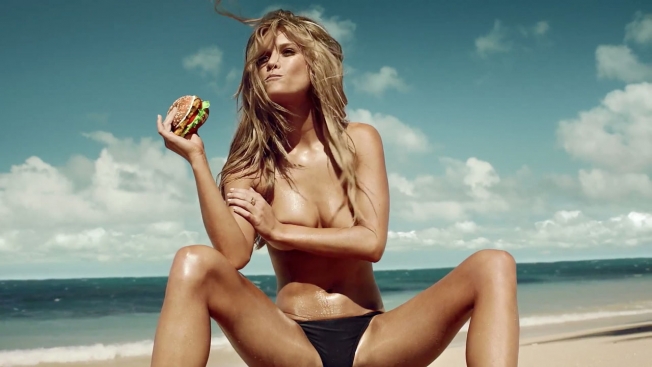 |
| Carl's Junior |
 |
| D & G |
Over the
weekend, I started researching more on Miss Representation. Turns out, it’s one piece of something called
“The Representation Project.”
Another part of the project are resources of how to take action,
including two hashtags for followers to use.
The first, #mediawelike, encourages users to “spotlight media that
empowers women and girls.” The second,
#notbuyingit, was what intrigued me.
#Notbuyingit encourages users to
directly call out sexism in the media. “Not
buying it” refers to both products and services the feminist project will
refuse to purchase, but is also a way to clearly tell the companies and organizations
offering these goods and services; “Hey, we see what you’re doing. It’s anti-feminist, sexist, and we’re not buying
into your bullshit anymore.” It’s a way
to empower women by directly and publicly affecting a company’s bottom line.
After
reflecting on the meaning of #notbuyingit, I realized I've already begun the
process of affecting several bottom lines by refusing to purchase products from
companies I believe to be unethical or irresponsible.
The first
and I feel the biggest change I made in my life of affect a company’s bottom
line was to stop purchasing anything and everything from Wal-Mart. I’ll
let you do your own research into why Wal-Mart is such a socially irresponsible
and rotten company, but I’ll also disclose that I recognize I’m privileged
enough to be able to make the choice to not shop there anymore, while many are
not in a financial situation to be able to do so.
When I
first stopped shopping at Wal-Mart in October of last year, many of my friends
and family members would ask why. I’d give them the scripted answer they
expected; “They’re unethical to their workers, they destroy small towns and
businesses. I refuse to be a part of it anymore.” The response I
received was almost always the same. “They’re one of the biggest
companies in the world, Sarah. What difference will it make if one person
stops shopping there? Get over it and save yourself some money.”
I still
refused to go back. And as I made the choice to stop shopping there, I
began to feel more empowered as a consumer. In some ways, it was like a
dam breaking. I began researching the companies I poured my money into,
and began adjusting my lifestyle and purchasing habits accordingly.
Feminist
that I am, I stopped purchasing from clothing companies that specifically
objectify or degrade women, such as Lu Lu Lemon, Abercrombie and Fitch (as well
as all sister companies - Hollister, Gilly Hicks, etc.), and American Apparel.
Surely I can find a clothing company that values me as a consumer, and not
how well my body promotes the image they feel is hot.


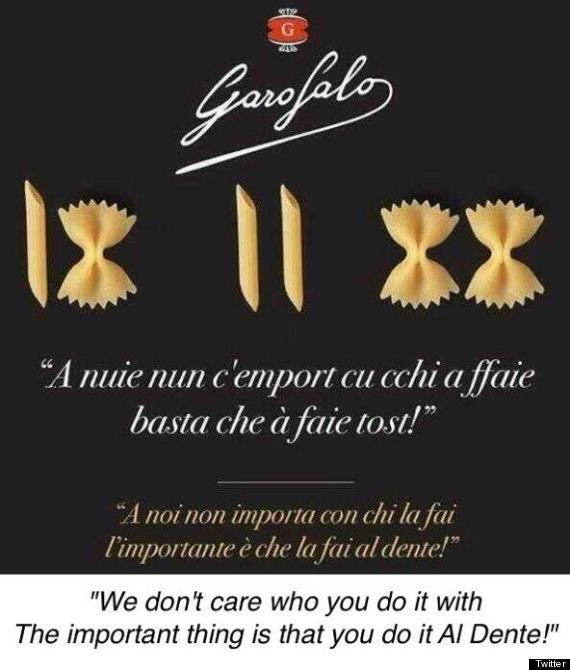
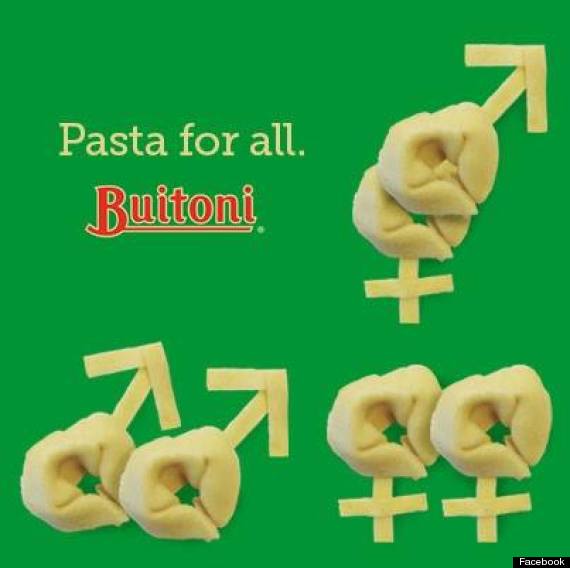
A year
ago the CEO of pasta giant Barilla made homophobic remarks, and followed up by
saying those offended by his words should “eat someone else’s pasta.”
Will do, asshole. I heeded his advice and permanently switched to
Garofalo and Buitoni. The CEO eventually apologized, but you know. Still
#notbuyingit.
I’ve also
come to realize I’ve started purchasing products from companies I strongly
connect with. When Coca Cola aired its “America the Beautiful” Super Bowl
advertisement showing minorities and a gay couple, then responded to racist and
homophobic criticism by releasing an extended version of the advertisement, I
began making a point to choose Coca Cola products over other cola brands.
When
Cheerio’s produced an advertisement showing an interracial married couple and
their mixed race daughter functioning as normalhuman beings around a
breakfast table, I began purchasing Cheerios again for the first time in years
just to show my support.
While
making informed purchases and having the ability to call out sexism in the
media and our economy is liberating and empowering, it’s also daunting. I keep returning to what I heard from those
closest to me. “What difference will one
person make?” By actively making the
change I want to see in the world am I, and those like me, to be considered
early adopters? If so, how long will it
take, and how many will it take, for such a movement to truly take hold of the
masses. How long will it take until
#notbuyingit, fair representation and equality for women and girls becomes the
norm?
Just how
long will it take for the changes I want so badly to see in my world occur?
Ultimately, the amount of time it takes is a moot
point. It has to change, and it has to change starting now. Promoting
things like The Representation Project and encouraging others to regularly speak
up against others only speeds the process along and turns feminist voices into
norms rather than mores. I hope you join
me in becoming an early adopter, affect the bottom line, and be the change you
want to see.
Word Count: 1080
Word Count: 1080

No comments:
Post a Comment