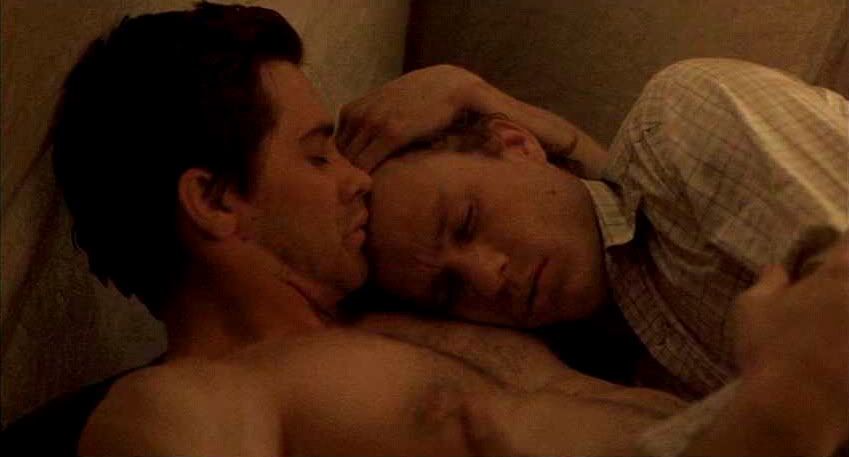
Heteronormativity is the assumption that everyone falls into specific genders and gender roles in life, particularly gender being men and women, and gender roles being masculine and feminine. Heteronormativity also assumes that heterosexuality is normal, and anything not heterosexual (lesbian, gay, bisexual, transgendered, etc.) is deviant. The concept of sex and gender being misaligned is also considered deviant in heteronormativity, leaving the power in the hands of heterosexual, cis-gendered individuals.
To me, heteronormativity sounds like the patriarchy of straight people. I'm sure I could word that more eloquently, but there it is. Where patriarchy is the male power in a society dictating the power women can and cannot hold, heteronormativity is the heterosexual power in a society stating that logically, queers can't exist.
The biggest difference I see between the patriarchy and heteronormativity is that heteronormativity is being smashed, at a very pleasing rate. When I reflect back on the past five years of the fair representation of anything non-heteronormative in the media, the change is shocking. The queer community is beginning to be represented as normal functioning members of society rather than psychotic, sex obsessed, diseased or flamboyant comedic relief sources. When I reflect on women in the media in the last five years, I don't see as drastic a change. While there have been improvements for the representation of women in the media, the difference is not as drastic or noticeable as with the queer community in the media.
{Mitchel and Cameron introduce their adopted daughter Lily in the pilot episode of Modern Family}
There's even an entire Wiki dedicated to queer individuals in every form of media imaginable. So it's got to be getting better, right?
http://en.wikipedia.org/wiki/Lists_of_television_programs_with_LGBT_characters
Yes and no.
While the queer community is being portrayed more regularly in the media, they're still "hetro-washed," and made the least threatening as possible to hetero-normative viewers.
We discussed the same concepts a few weeks ago with The Mary Tyler Moore Show. While there we huge steps taken with Mary's character, she still was ultimately subservient to the patriarchy.
My biggest fear of heteronormativity in the media is that the queer representation present now will begin to plateau. Now that gay, lesbian, bisexual and transgendered individuals are in our television shows and movies, will that placate the media for a while, and will the just remain as "kinda liberating characters, if you don't dig to deeply," the way that so many female characters have been set up.
I hope not. The only way to really tell is to be active in our media consumption. Bringing us full circle this semester, we can affect the bottom line. If there's a show or movie that portrays the queer community negatively or as a joke, we have the power to both disengage from that particular form of media as well as engage ourselves through social media to let our voices be heard that "Hey, this is really not alright."
On the flip side, we can also support the media that helps break down heteronormativty by continuing to consume that media, and encouraging others to engage in it as well.
It's a long road ahead, but this class has made me so hopeful in where feminism and equal rights are taking us.
Thanks for a great class everyone.
Sarah out.
Word count; 560